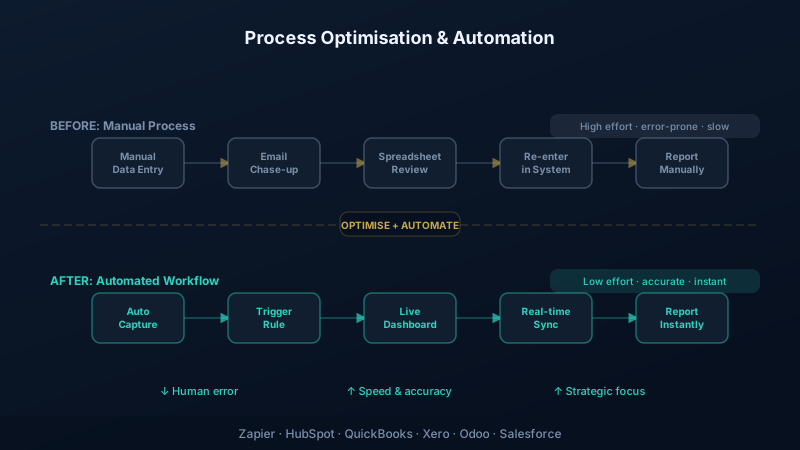
Running a small or medium-sized enterprise is no easy task. Business owners constantly juggle multiple responsibilities, from managing operations to ensuring customer satisfaction, all while staying profitable. Yet many SMEs still rely on outdated, manual processes that slow them down and eat into their margins. This is where process optimisation and automation come in.
What Is Process Optimisation?
At its core, process optimisation is about identifying inefficiencies and eliminating bottlenecks in daily operations. Many businesses struggle with repetitive tasks that consume valuable time: manual invoicing, inventory tracking, or customer follow-ups. By mapping out workflows and analysing where time and resources are being wasted, SMEs can implement smarter, leaner processes that increase productivity and free up teams to focus on more strategic work.
Where Automation Adds Value
Automation takes optimisation a step further by using technology to handle repetitive, time-consuming tasks with minimal human intervention. The benefits are clear: reduced human error, faster turnaround times, and a significant boost in efficiency.
Customer Relationship Management
Many businesses lose potential customers simply because they fail to follow up in time. By using a CRM system like Salesforce or Zoho CRM, SMEs can automate customer interactions, schedule follow-ups, and personalise communications based on customer behaviour. This ensures no leads fall through the cracks and improves long-term customer relationships.
Supply Chain and Inventory
Many SMEs struggle with stockouts, overstocking, or mismanaged logistics. By implementing tools like Odoo, businesses can automate inventory tracking, set reorder alerts, and gain real-time visibility into their supply chain, ensuring optimal stock levels and better forecasting.
Financial Processes
Automated billing and invoicing solutions like Xero and FreshBooks can handle everything from generating invoices to tracking payments, significantly reducing administrative overhead and improving cash flow management. Payroll automation tools ensure employees are paid on time while minimising compliance risk.
Common Automation Tools for SMEs
How to Start
The shift towards automation does not have to be an all-or-nothing approach. SMEs can start small by automating simple processes like email marketing, appointment scheduling, or invoice generation, before gradually expanding into more complex workflows. The key is a structured approach:
- Analyse existing workflows and identify the biggest pain points
- Prioritise the processes that consume the most time or cause the most errors
- Implement the right automation tools for those specific areas
- Measure the impact and refine continuously
Final Thoughts
For SMEs looking to scale, process optimisation and automation are not optional extras; they are a necessity. The time saved through automation can be reinvested into strategic growth initiatives, whether that is improving customer service, expanding to new markets, or innovating products and services.
SMEs that embrace process optimisation and automation will work smarter, reduce costs, and position themselves for sustainable growth.